Yesterday, I got some questions from a chiropractic student via the feedback form. I thought it would be helpful to post the questions and my responses for reference.
The questions were:
- What compelled me to pursue a medical degree after receiving a chiropractic degree?
- Did I find that having a chiropractic degree made the application process easier or more challenging?
- How did medical school admissions committees view my chiropractic degree?
Here was my response:
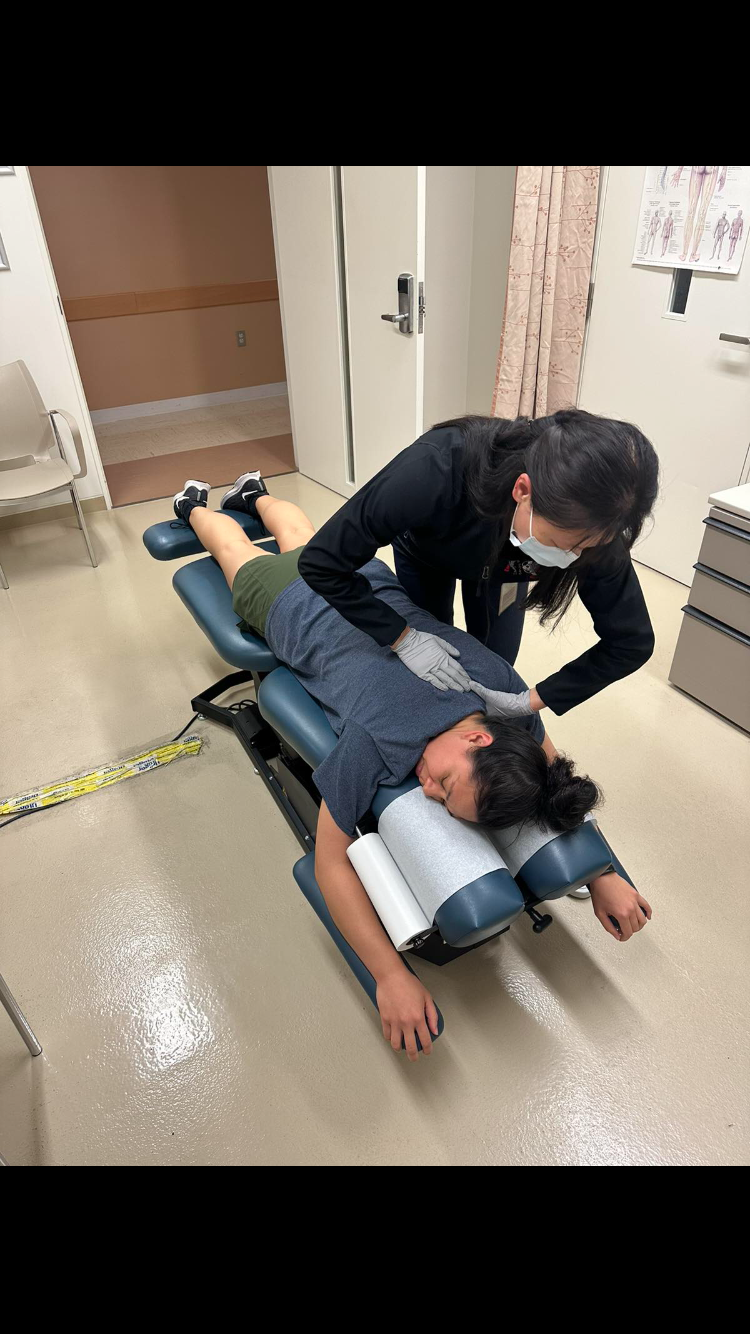
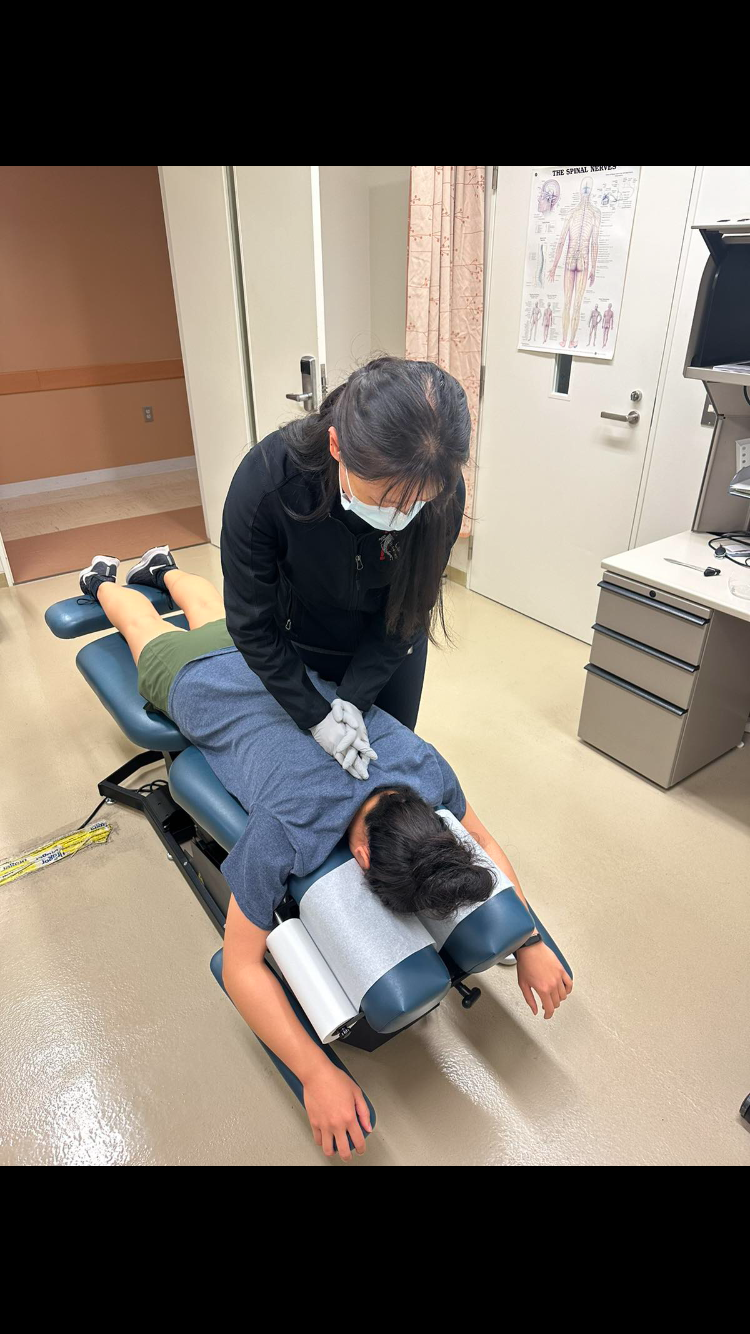
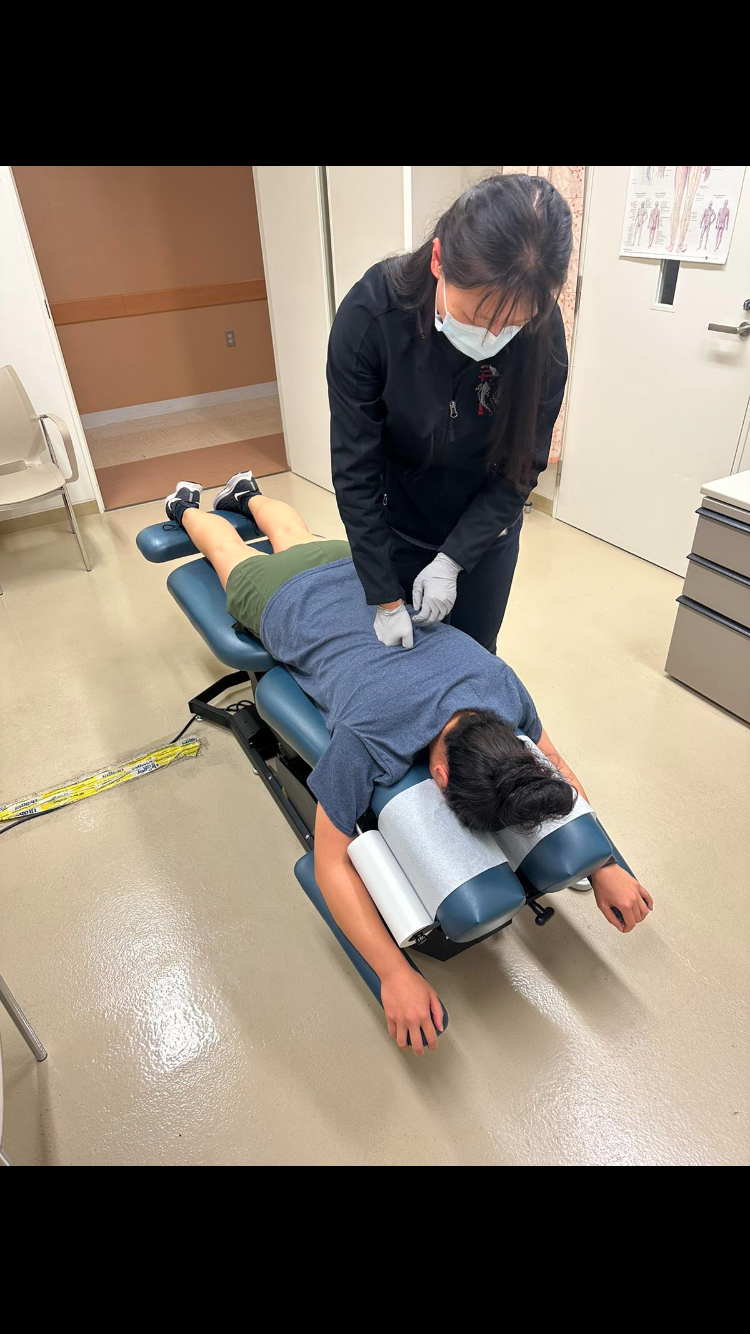
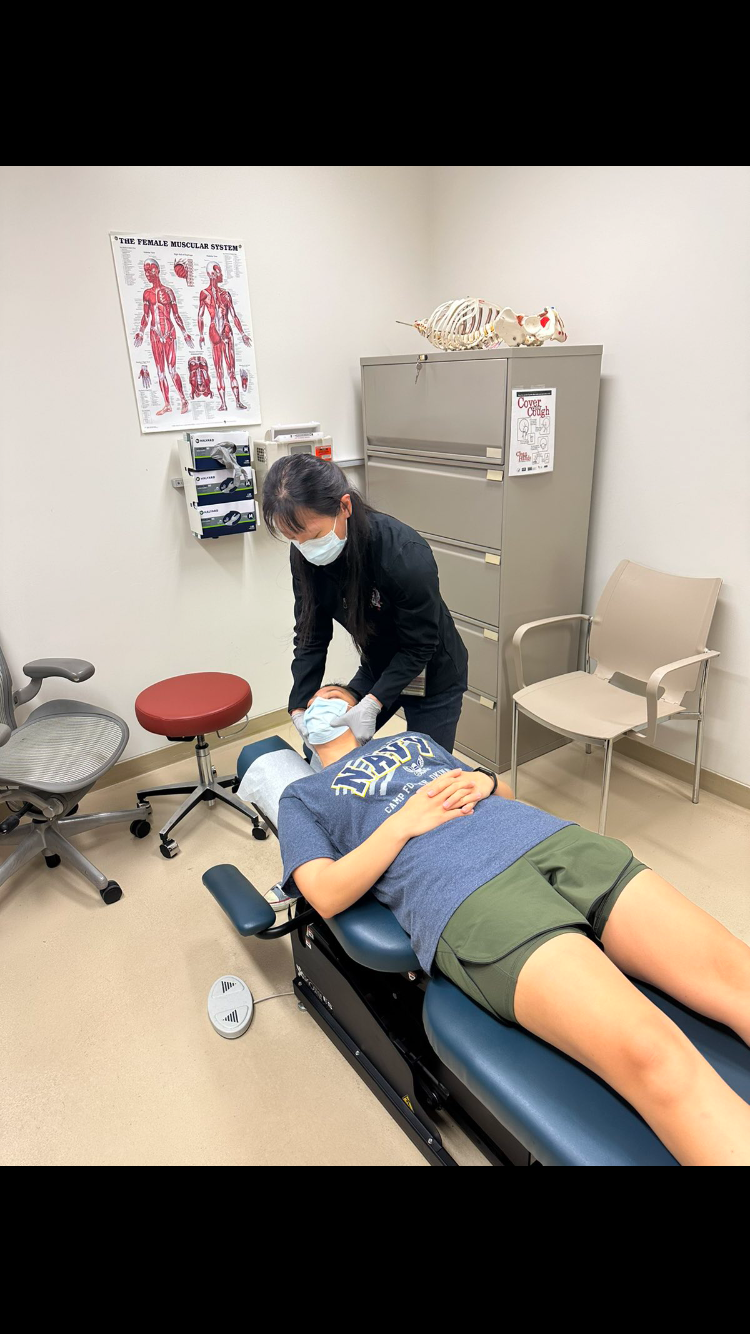
“Prior to deciding to apply to medical school, I was the staff chiropractor for a United States military hospital. I’m sure you’ve heard at chiropractic school that it is especially rare for a chiropractor to work in a hospital, private sector or otherwise. It is also a highly coveted position, and highly competitive. Because I served as the staff chiropractor for one such United States military hospital, I experienced high exposure to medicine, and thus became more and more interested in the field. This culminated in applying to and getting accepted to medical schools.
The application process is a challenge for everyone, chiropractor or not. Interestingly, the medical school application gives more weight to undergraduate education, rather than any graduate education. Thus, if your undergraduate work is weak, a strong performance at any graduate school will not save your application. Personally, I made my DC into an asset, rather than a liability. However, I’m sure you are aware that some physicians have poor opinions of chiropractors, just as some chiropractors have poor opinions of physicians. You will not receive an interview from a medical school with an admissions committee with such physicians. It is difficult to identify which schools these are. The schools that interviewed me were fascinated by my clinical experience as a chiropractor, rather than repelled by it.
I have cc’d my premed advisor, Dr. Lawrenz-Smith, on this email. She is the premed advisor for the postbac program at NWHSU. I am sure she would be happy to speak with you. Do let me know if you have further questions.”
Do you have further questions? Let me know in the comments below.